Wednesday, February 25, 2015

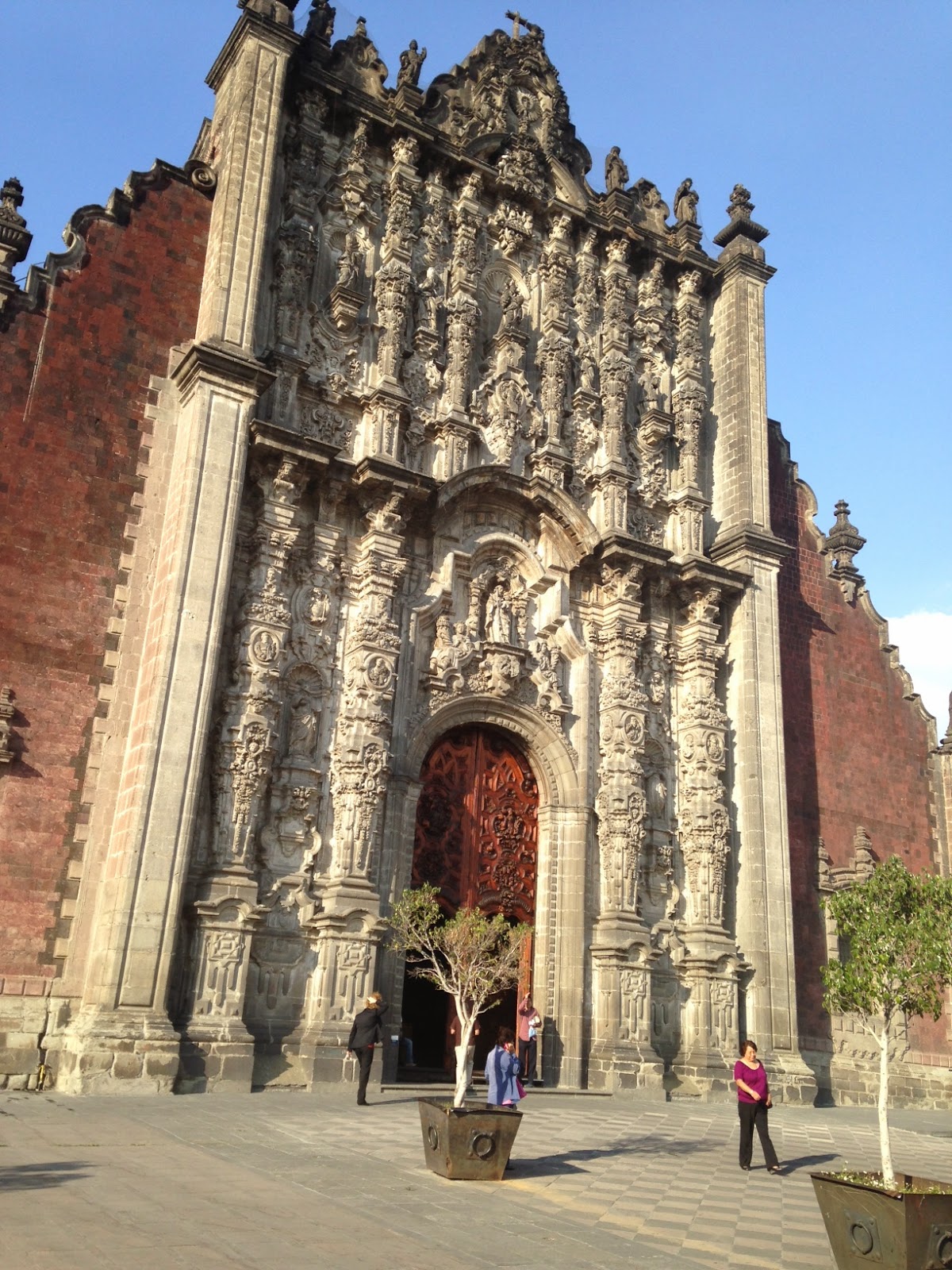
Colonia Condesa, Mexico City


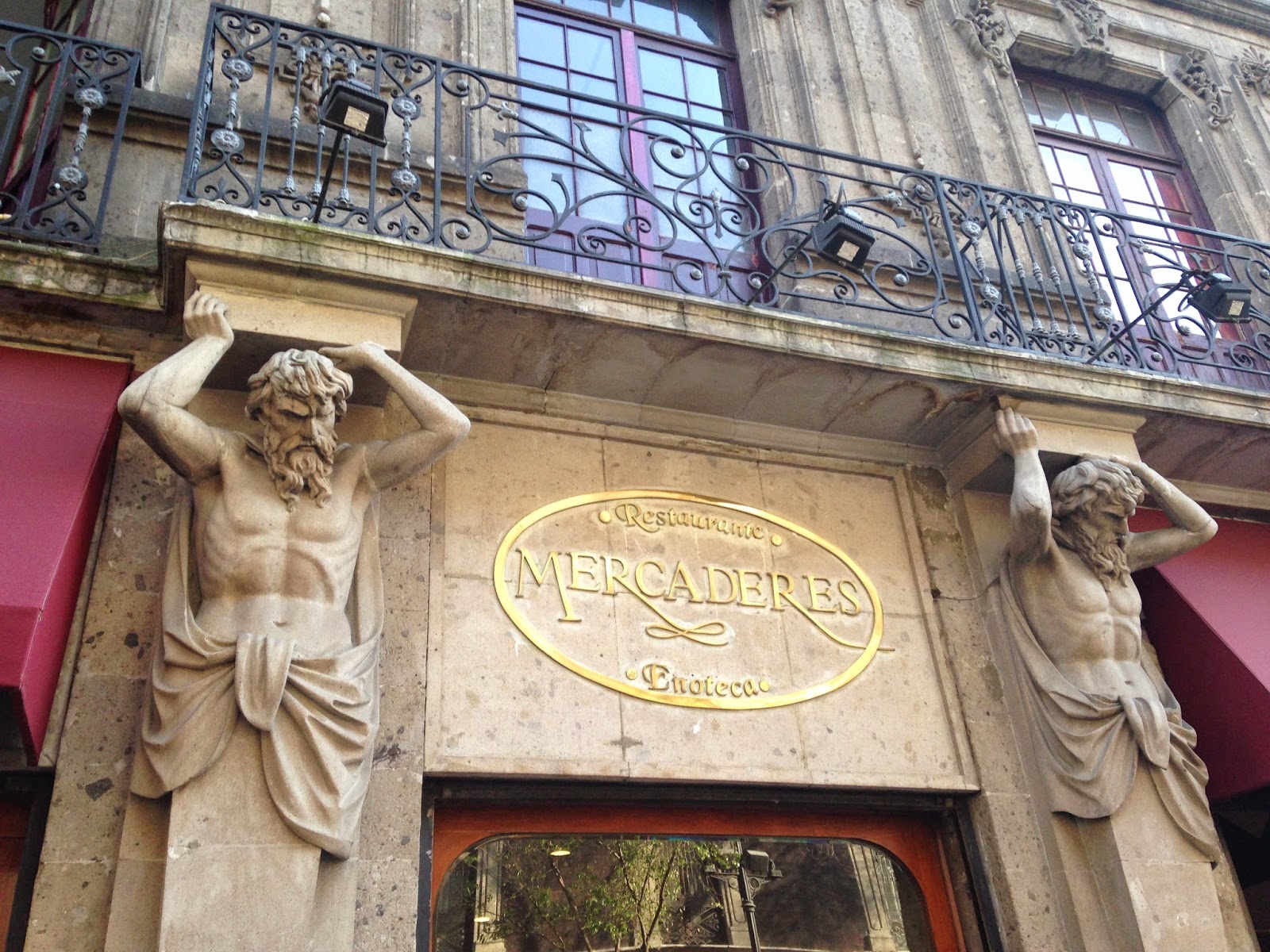
Calle Madera, Mexico City, Medxico


Teotihuacán, State of Mexico, Mexico

Monica and Antonio at Pyramid of the Sun

Teotihuacán is an Aztec ruin north of Mexico City in the State of Mexico (one of 31 states) comprised of three pyramids.The City was formed ca, 250 BC and survived until ca. 700 AD.

Temple of Quetzalcoatl

The Citadel


View of Pyramid of the Moon from Quetzalcoatl


Quetzalcoatl Serpents

Quetzalcoatl Serpents

Quetzalcoatl Serpents


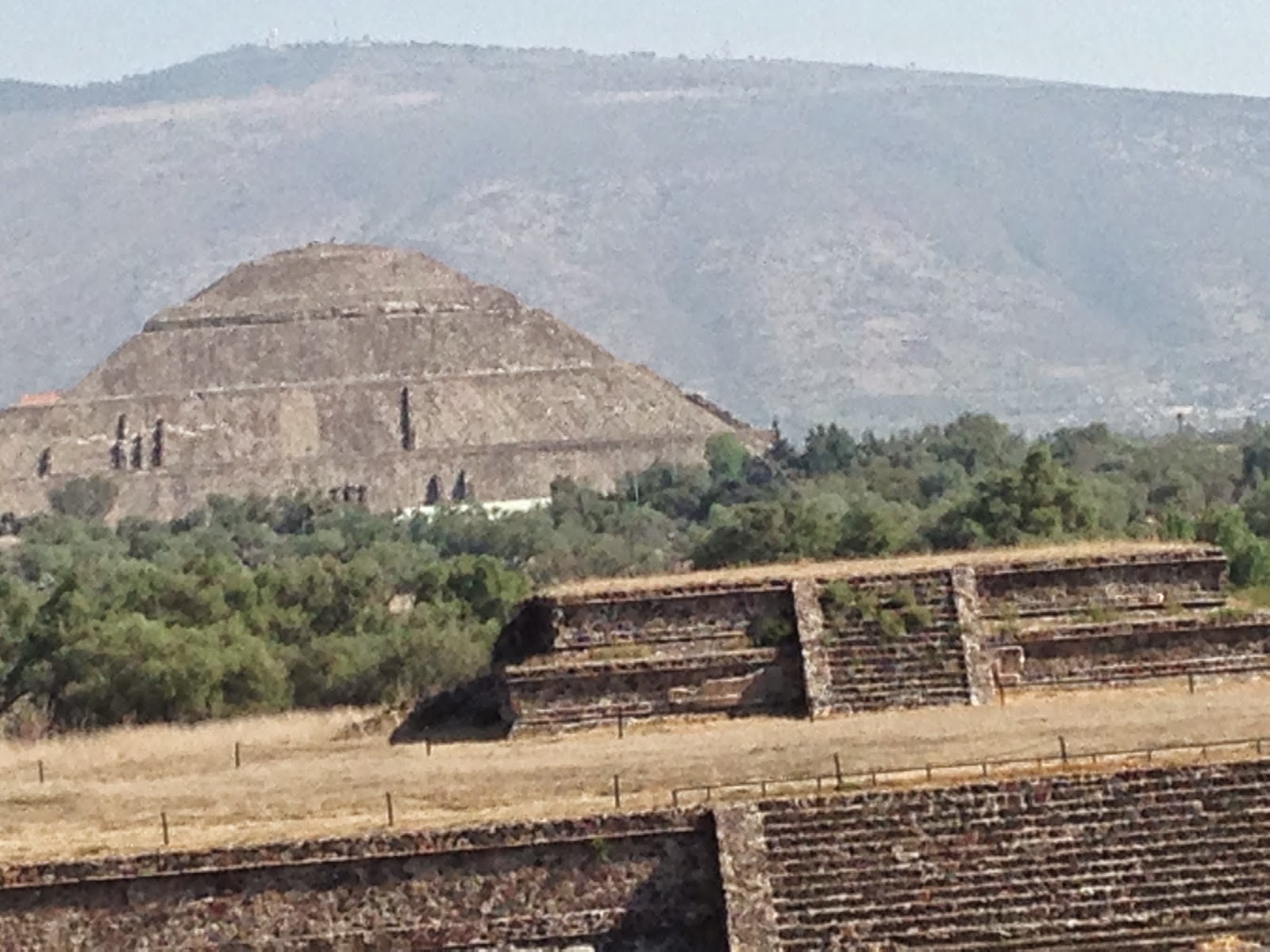
Pyramid of the Sun

View of Pyramid of the Moon from top of Pyramid of the Sun
Pyramid of Moon visible in distance

note protruding rocks on pyramid face, definitely not to prevent snow avalanches !


La Gruta, State of Mexico, Mexico

Does the insect version of caviar appeal to you ?  Well, there is a special ant that is the source of ant larvae in Mexico, called escamole.  Escamoles are the edible larvae and pupae of ants of the species Liometopum apiculatum and L. occidentale var. luctuosum.  They are harvested from the roots of the Agave tequilana (tequila) or Agave americana (maguey—mezcal) plants in Mexico.  They are most commonly consumed in Mexico City and surrounding areas. Escamoles have been consumed in Mexico since the age of the Aztecs. They taste buttery and nutty, with a texture akin to that of cottage cheese.  You can eat escamole at La Gruta, near the pyramids, founded in 1906.

escamole

on a tortilla


restaurant in grotto


Zócalo, Mexico City, Mexico

The main plaza of Mexico City is commonly known as the Zócalo (plinth, which is the square block at the base of a column). It was the main ceremonial center in the Aztec city of Tenochtitlan and from the colonial period on, the main plaza or square in the heart of the historic center of Mexico City. The plaza used to be known simply as the "Main Square" or "Arms Square," and today its formal name is Plaza de la Constitución (Constitution Square). This name does not come from any of the Mexican constitutions that have governed the country but rather from the Cádiz Constitution which was signed in Spain in 1812. However, it is almost always called the Zócalo today. Plans were made to erect a column as a monument to Independence, but only the base, or zócalo, was ever built.