Sunday, January 3, 2016

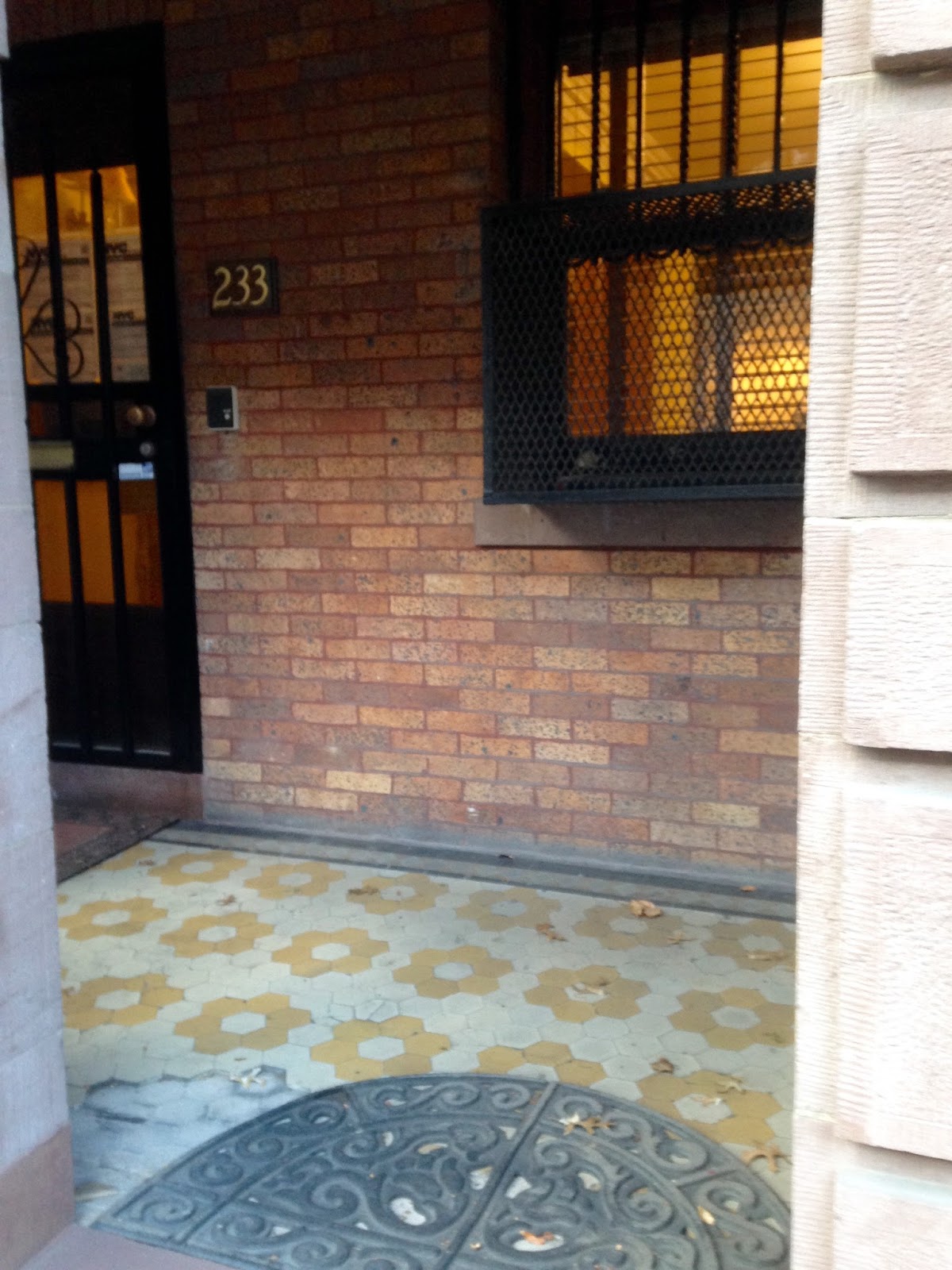
Strivers' Row, 139th St. (North side), Harlem, Manhattan, New York, New York

Developer David H. King hired 3 architectural firms to design middle class "striver" housing on 138th and 139th Streets, between Frederick Douglass Blvd. and Adam Clayton Powell, Jr. Blvd.  Construction was 1891-1893. King had built the 1889 New York Times Bldg. and the base of the Statue of Liberty.  The dark brick, brownstone and terra cotta buildings on the north (odd-numbered) side of 139th Street and at 2380 Adam Clayton Powell Jr. Boulevard were designed in the Italian Renaissance Revival style by Stanford White of the firm McKim, Mead & White.  Instead of high stoops, White chose street level entry.


CCNY Shepherd's Hall


Arcaded loggia at center of symmetrical row


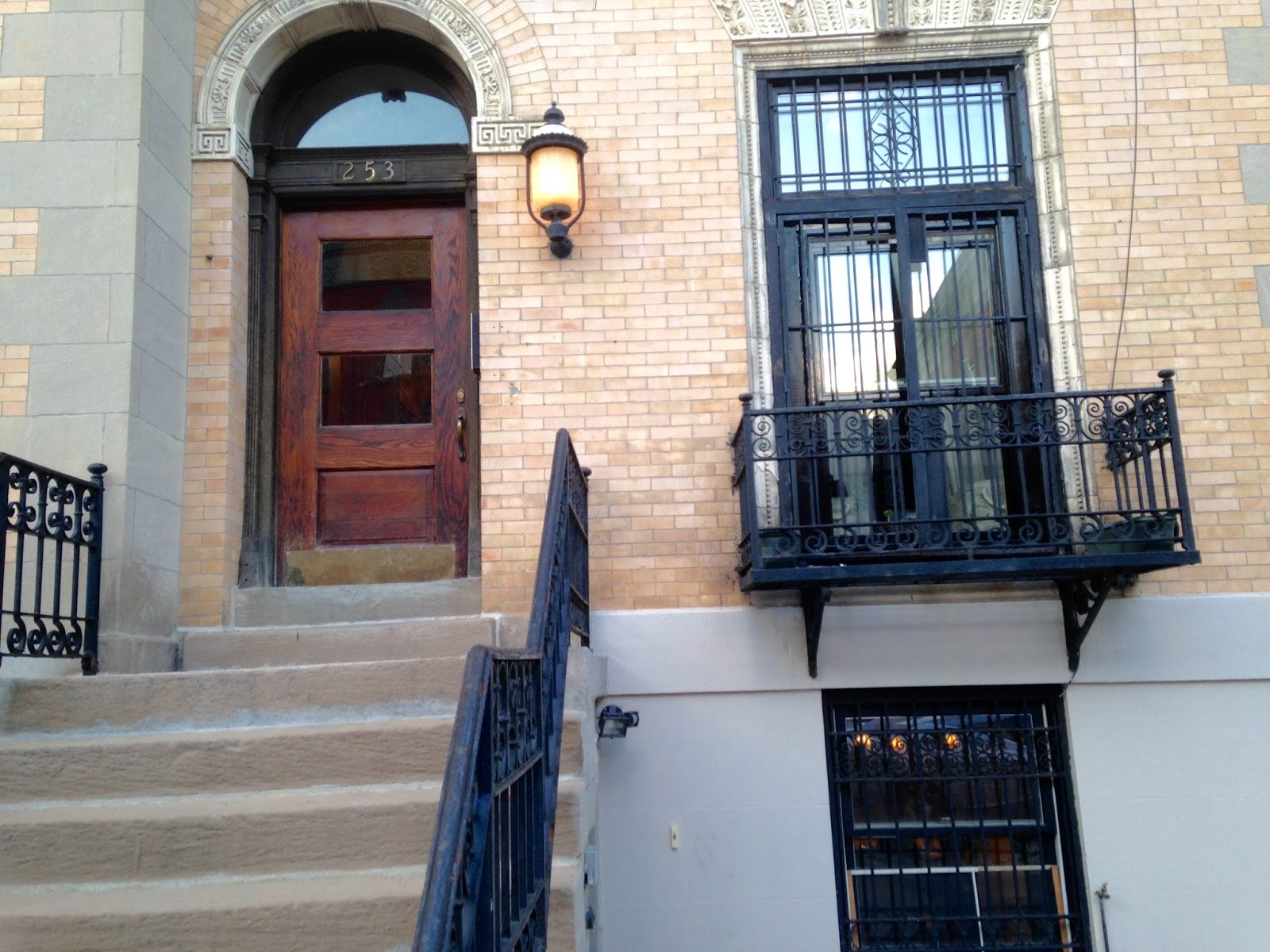
Strivers' Row, 139th St. (South side), Harlem, Manhattan, New York, New York

Developer David H. King hired 3 architectural firms to design middle class "striver" housing on 138th and 139th Streets, between Frederick Douglass Blvd. and Adam Clayton Powell, Jr. Blvd.  Construction was 1891-1893. King had built the 1889 New York Times Bldg. and the base of the Statue of Liberty.  The yellow brick and white limestone with terra cotta trim buildings on the south (even-numbered) side of 139th Street and at 2360-2378 Adam Clayton Powell Jr. Boulevard were designed in the Colonial Revival style by Bruce Price and Clarence S. Luce.


Strivers' Row, 138th St. (North side), Harlem, Manhattan, New York, New York

Developer David H. King hired 3 architectural firms to design middle class "striver" housing on 138th and 139th Streets, between Frederick Douglass Blvd. and Adam Clayton Powell, Jr. Blvd.  Construction was 1891-1893. King had built the 1889 New York Times Bldg. and the bae of the Statue of Liberty.  The yellow brick and white limestone with terra cotta trim buildings on the north (odd-numbered) side of 138th Street and at 2360-2378 Adam Clayton Powell Jr. Boulevard were designed in the Colonial Revival style by Bruce Price and Clarence S. Luce.


"walk your horses"

Strivers' Row, 138th St. (South side), Harlem, Manhattan, New York, New York

Developer David H. King hired 3 architectural firms to design middle class "striver" housing on 138th and 139th Streets, between Frederick Douglass Blvd. and Adam Clayton Powell, Jr. Blvd.  Construction was 1891-1893. King had built the 1889 New York Times Bldg. and the base of the Statue of Liberty.  The red brick and brownstone buildings on the south (even-numbered) side of West 138th Street and at 2350-2354 Adam Clayton Powell Jr. Boulevard were designed by James Brown Lord in the Georgian Revival style.


134th St., Harlem, Manhattan, New York, New York

Across from the St. Philip's Episcopal Church on 134th St., between Frederick Douglass Blvd. and Adam Clayton Powell, Jr. Blvd. are some nice architectural details, including lions.


Wednesday, December 30, 2015

Asiatic Hotel, Flushing, Queens, New York, New York

135-21 37th Ave.


cultural collision?

real collision Porsche


Saturday, December 12, 2015

The Cloisters, Manhattan, New York, New York

The Cloisters is a museum located in Fort Tryon Park.  It incorporates parts from 5 European abbeys which were shipped to NYC from 1934 - 1939.

The tapestries were owned by the La Rochefoucauld family of France for several centuries, with first mention of them showing up in the family's 1728 inventory. At that time five of the tapestries were hanging in a bedroom in the family's Château de Verteuil, Charente and two were stored in a hall adjacent to the chapel. During the French Revolution the tapestries were looted from the château and reportedly were used to cover potatoes – a period during which they apparently sustained damage. By the end of the 1880s they were again in the possession of the family. A visitor to the château described them as quaint 15th century wall hangings, yet showing "incomparable freshness and grace". The same visitor records the set as consisting of seven pieces, though one was by that time in fragments and being used as bed curtains.


John D. Rockefeller, Jr. bought them in 1922 for about one million US dollars. Six of the tapestries hung in Rockefeller's house until The Cloisters was built when he donated them to the Metropolitan Museum of Art in 1938 and at the same time secured for the collection the two fragments the La Rochefauld family had retained. The set now hangs in The Cloisters which houses the museum's medieval collection.


"The Unicorn in Captivity" 1495-1505 Wool warp with wool, silk, silver and gilt wefts, gift JD Rockefeller jr 1937


"the Unicorn is Attacked"


"The Unicorn Defends Itself"